



The Social Media Copyright Battle

The explosion of social media has transformed how photos, music, and videos are consumed, turning the digital ecosystem into a massive arena for intellectual property (IP) theft. For content creators, musicians, photographers, and filmmakers, protecting original work online has become an uphill battle against systemic free-for-alls, platform loopholes, and algorithmic trends.
The Landscape of Media Theft Across Platforms
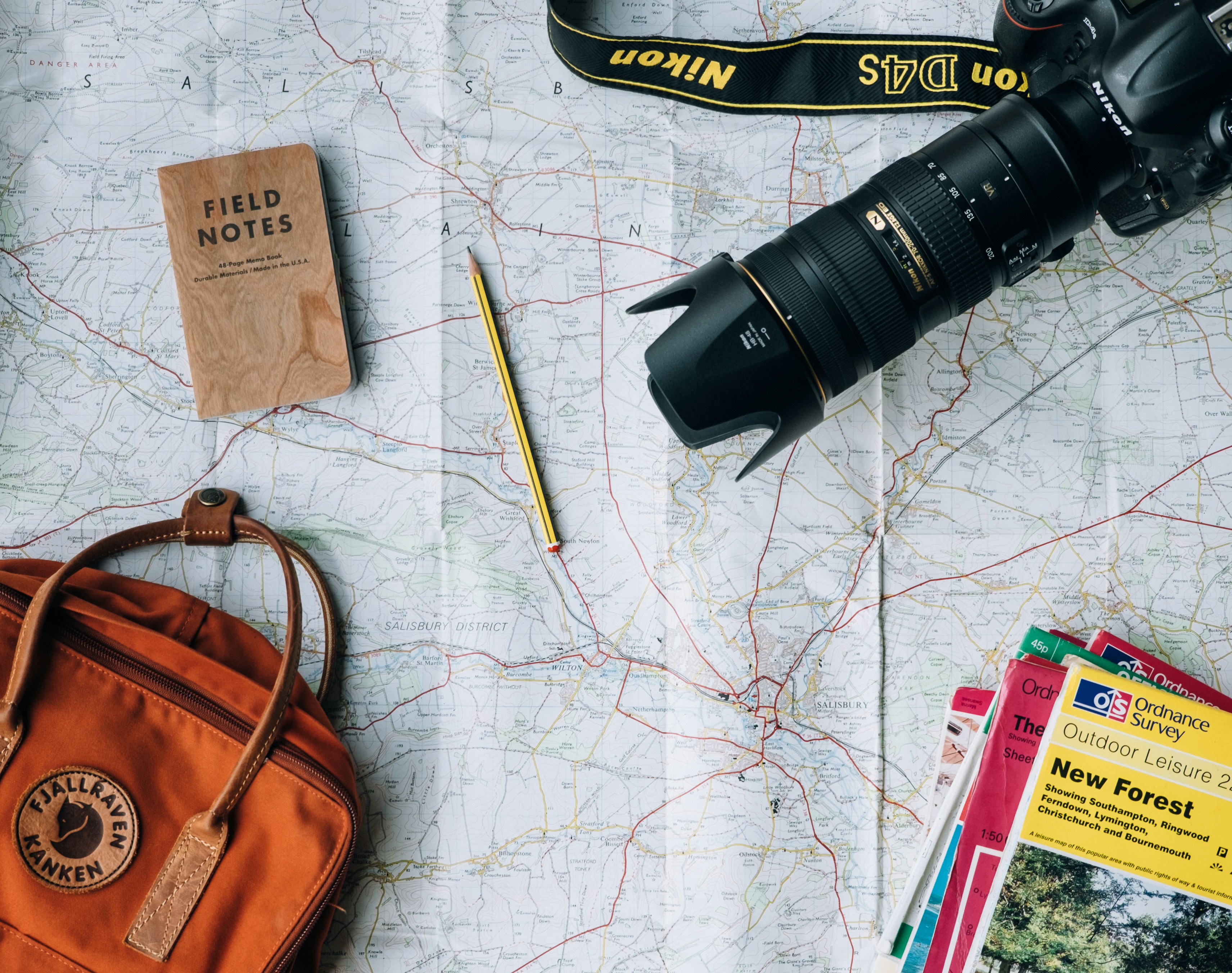
Photos & Visual Art: Photographers and graphic artists frequently find their original images scraped, reposted without permission, or used in commercial ad campaigns. High-profile lawsuits—such as photographers suing celebrities for posting papparazzi photos without licenses—highlight how deeply normalized unauthorized image sharing has become.
Music & Audio Tracks: Unlicensed background music powers millions of viral clips, short videos, and Reels daily. While personal accounts often access broad music libraries, commercial brands frequently misuse popular audio tracks, bypassing proper sync licensing and robbing artists of royalties.
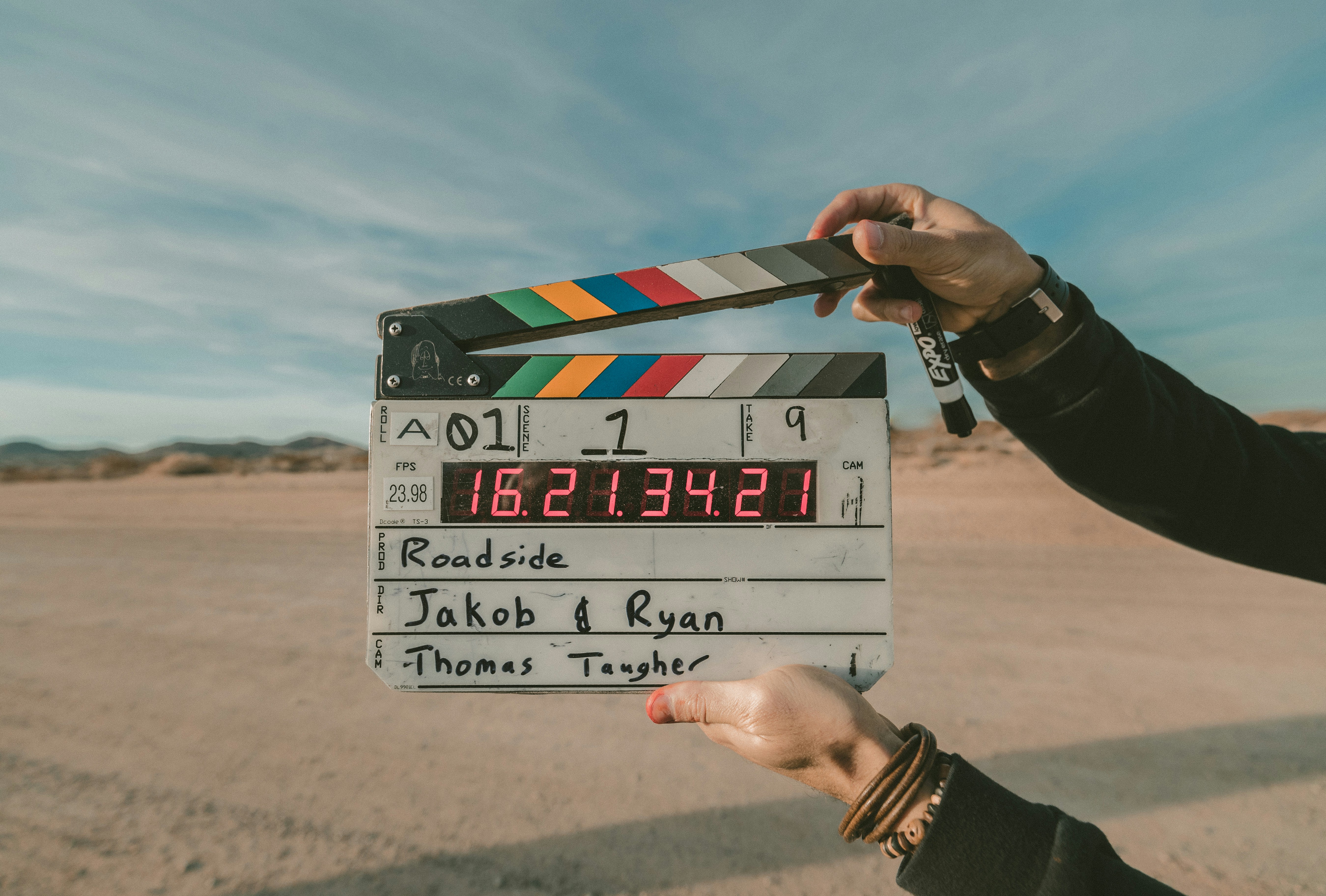
Video Content & "Freebooting": Full-length videos, short-form skits, and original documentaries are routinely downloaded and reuploaded by aggregate channels ("freebooters") to extract ad revenue and views from the original creator.
Why the Battle is So Difficult for Rights Holders
The "Safe Harbor" Shield: Under laws like the U.S. Digital Millennium Copyright Act (DMCA), social media platforms operate under "safe harbor" protections. As long as platforms provide a mechanism to remove reported content, they are generally protected from liability for user-posted infringement, shifting the entire burden of monitoring and reporting onto rights holders.
Inadequate Detection Systems: Automated copyright detection tools (such as YouTube's Content ID or Meta's Rights Manager) often miss modified media—such as pitched audio, mirrored videos, or cropped photos—allowing unauthorized versions to circulate undetected.
The "Fair Use" Misunderstanding: A pervasive myth on social media assumes that giving photo credit, adding a disclaimer, or posting for "non-commercial" purposes automatically qualifies as legal "fair use". In reality, reposting full creative works without permission almost always constitutes direct infringement.
Enforcement Imbalance & High Costs: Small independent creators rarely have the financial resources to litigate against mass infringers. While statutory damages for willful infringement can reach significant amounts in formal court settings, pursuing claims individually remains cost-prohibitive for most individual artists.
How Creators and Rights Holders Fight Back
Strategy | Mechanism | Practical Impact
Watermarking & Metadata | Embedding hidden or visible logos, signatures, and tracking metadata directly into media files.
Acts as a visual deterrent and provides digital proof of ownership during takedown disputes.
Active Automated Sweeps | Deploying third-party brand protection and reverse-image search services to locate stolen media. | Enables bulk DMCA takedown filings across major platforms.
Formal Legal Claims & Demands | Issuing cease-and-desist letters or registering copyrights with national offices for statutory damage leverage. | Forces corporate infringers into out-of-court financial settlements.
What Needs to Change
Winning the battle against digital copyright crime requires moving away from reactive takedowns toward structural platform accountability. Platforms must improve cross-lingual and altered-media fingerprinting, establish proactive vetting for commercial users, and institute direct profit-sharing mechanics whenever user-generated content incorporates verified third-party intellectual property.